
Private sales in store from 26/12/25 to 06/01/26!

In today’s world where living space is becoming increasingly precious, knowing how to effectively optimize small spaces is essential. Whether you live in a studio, a compact apartment, or are looking to improve the use of a small room in your home, there are key strategies to maximize space without compromising style and comfort. This article will provide you with practical tips and advice to transform your small spaces into places that are both functional and welcoming.
Multifunctional furniture is essential in the efficient management of small spaces. These versatile pieces can serve a variety of purposes, making them ideal for limited spaces. For example, a sofa bed can serve as a seat during the day and transform into a bed at night, ideal for studios or guest rooms. Similarly, coffee tables with built-in storage provide a space to keep books, remote controls, and other small items, helping to maintain order and cleanliness.
Vertical storage is an often underestimated but extremely effective technique for maximising small spaces. Using wall height with tall shelves frees up floor space while providing additional storage space. Solutions such as wall shelves, tall cabinets and hanging storage systems can transform bare walls into useful storage spaces.
The importance of natural light in small spaces cannot be underestimated. A well-lit room appears larger and more open. To maximize natural light, keep windows clear of clutter and use lightweight window treatments that allow light to stream in while providing privacy when needed.
When natural light is lacking, artificial lighting takes over. Opt for lighting fixtures that create a warm ambiance without taking up too much space. Pendant lamps and wall sconces are great options because they free up floor space while adding style elements to the room.
Colors play a crucial role in the perception of space. Light, neutral colors, such as white, beige, or pastels, reflect light and give a feeling of openness and freshness. Use brighter, bolder colors as accents rather than as the main choice for walls.
Choosing the right accessories can transform a small space without overwhelming it. Opt for decorative elements that don't take up too much physical space but have a strong visual impact. For example, a large mirror can not only add a decorative element but also visually enlarge the space by reflecting light and the outdoors.
Fabrics and textures add depth and interest to any space, large or small. For smaller spaces, opt for light, airy textiles that don't visually overwhelm. For example, linen or lightweight cotton curtains can add warmth to a room without visually shrinking the space.
Rugs and cushions offer an opportunity to play with textures without taking up valuable space. A well-chosen rug can delineate areas in an open plan space, such as separating the living room from the dining area in a studio apartment.
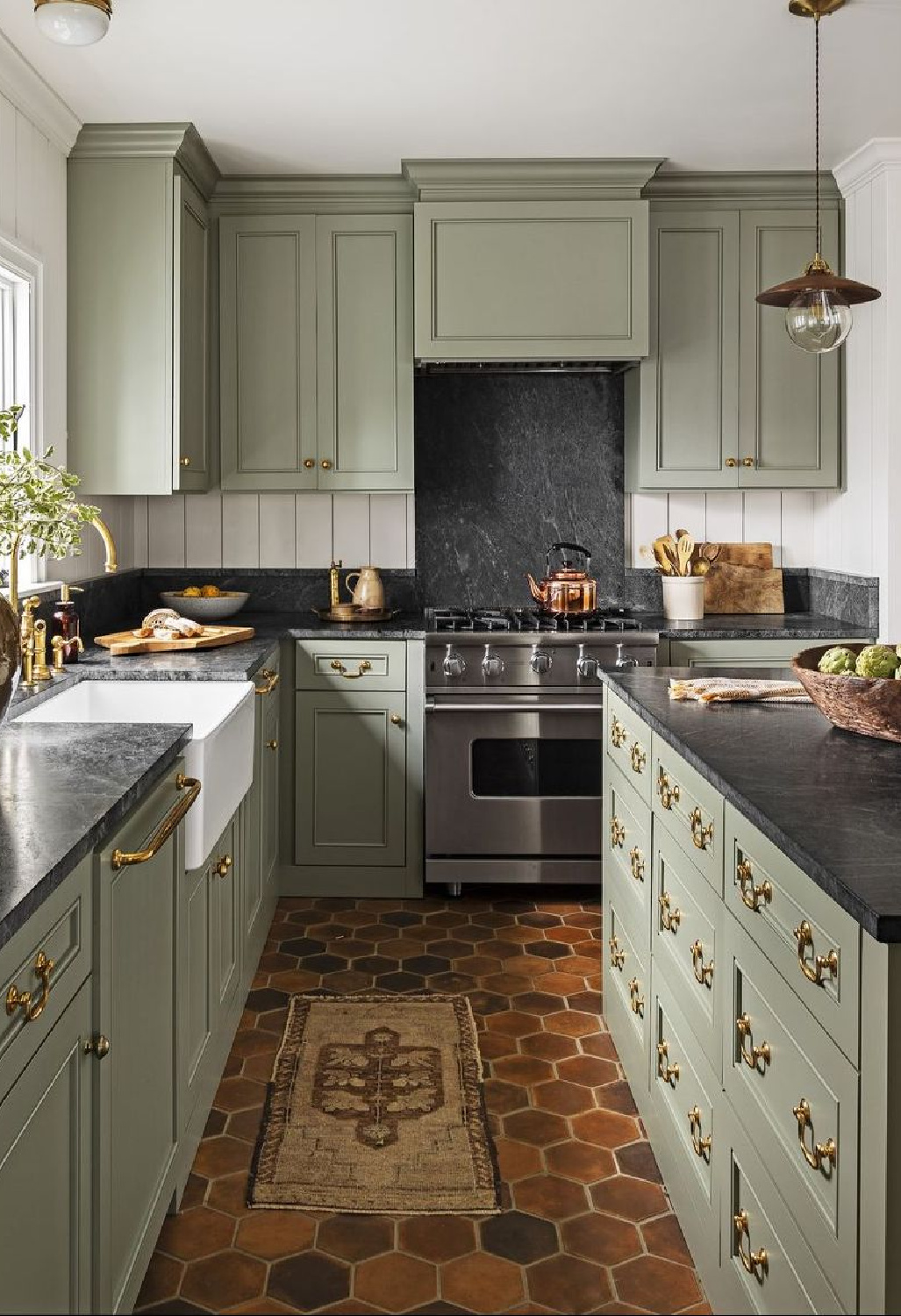
Maximizing the use of vertical space is essential in small environments. Think beyond traditional shelving and consider innovative solutions like tall bookcases, hooks for hanging objects, or even custom furniture that fits perfectly into the nooks and crannies of your space.
In a small space, every square inch counts. Dividing your space into distinct zones can help organize and maximize its use. Use furniture, rugs, or even color changes on the walls to define different areas for sleeping, working, or relaxing.
In small spaces, clutter can quickly feel chaotic. Keeping your space organized and minimalistic is crucial to maintaining a sense of openness and tranquility.
With the advancement of technology, it is possible to integrate smart solutions that save space. For example, retractable electrical outlets, speakers integrated into the furniture, or LED lighting that can be installed under the cabinets for optimal use of space.
Designing a small space requires creativity and careful planning. By leveraging vertical space, creating multiple zones, minimizing clutter, and subtly integrating technology, you can make your small space comfortable, functional, and aesthetically pleasing. These strategies will help you make the most of your space, no matter its size.
By adopting these approaches, even the smallest environments can be transformed into pleasant and extremely functional spaces, proving that size does not limit the quality or comfort of your habitat.
Want to find out more?
Visit our store located at 7 Route De Villiers, 77780 Bourron Marlotte for an immersive experience.
Explore now and let yourself be inspired!

